yellowstone river
Fly Fishing the Yellowstone River
A day on the Yellowstone River belongs on every fly angler's bucket list. It's our home water, the river that runs past our front door in Livingston, and it offers some of the most rewarding trout fishing in Montana. Whether you've fly fished for years or you're picking up a rod for the first time, the Yellowstone has water that fits.
About the Yellowstone River
The Yellowstone River begins south of Yellowstone Lake inside Yellowstone National Park (yes, that's the river in our logo). It tumbles and winds down through the park, exits at Gardiner, MT, then flows almost due north through Paradise Valley to Livingston before turning northeast toward Billings.
At 692 miles, the Yellowstone is the longest free-flowing, undammed river in the lower 48. That matters for the fishing. No dams means natural flows, wild hatches, and trout that behave the way trout are supposed to behave.
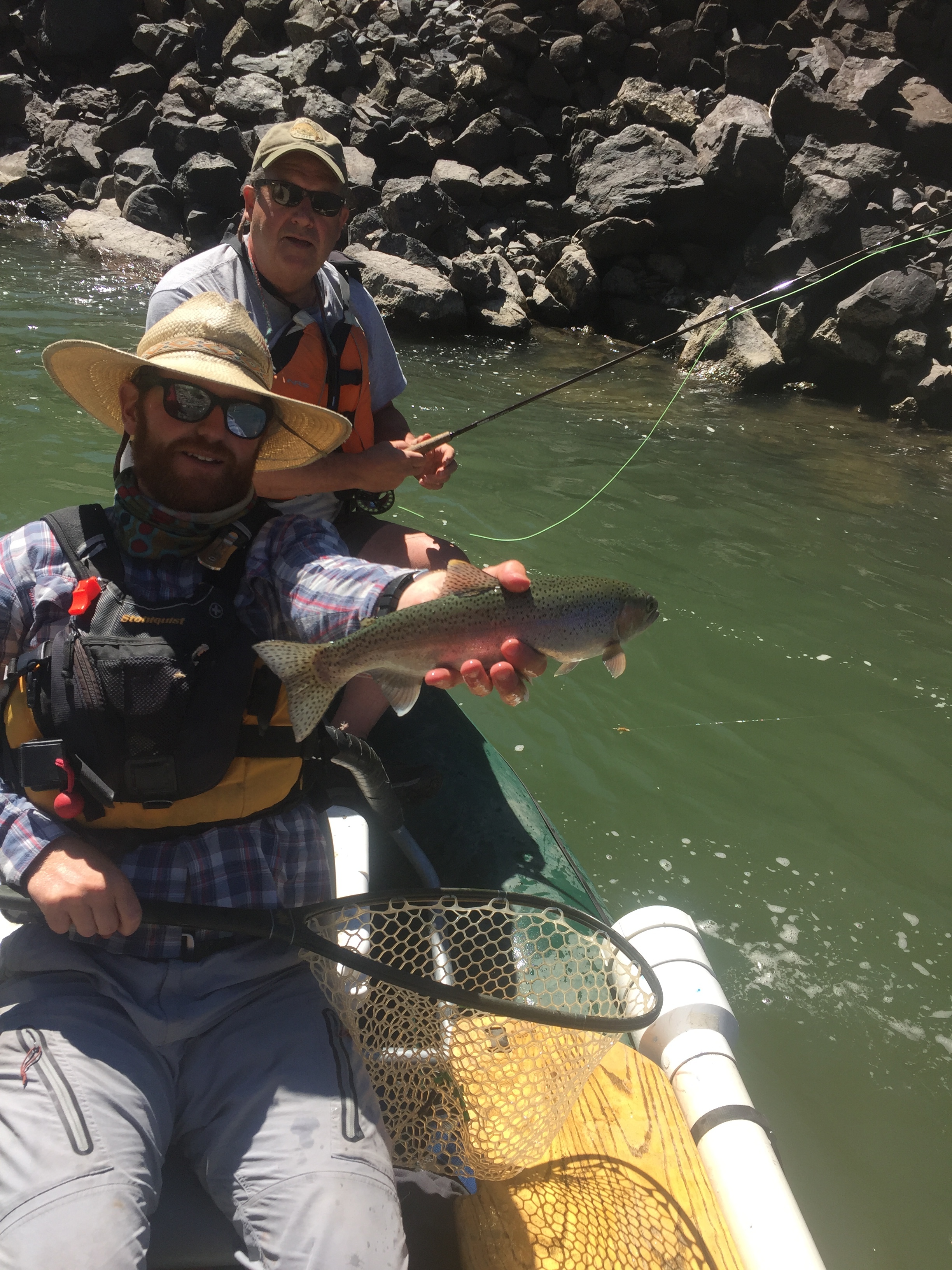
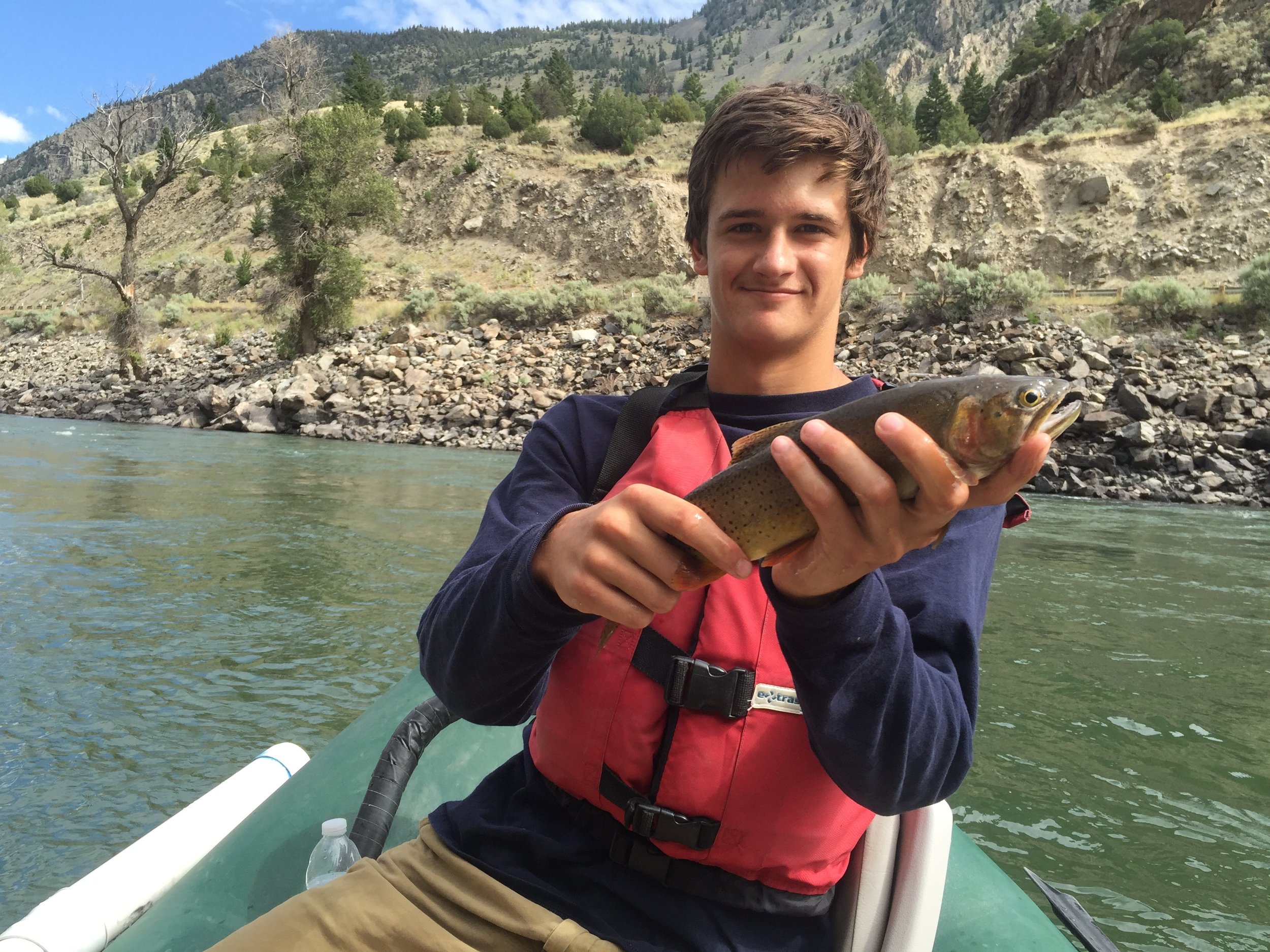
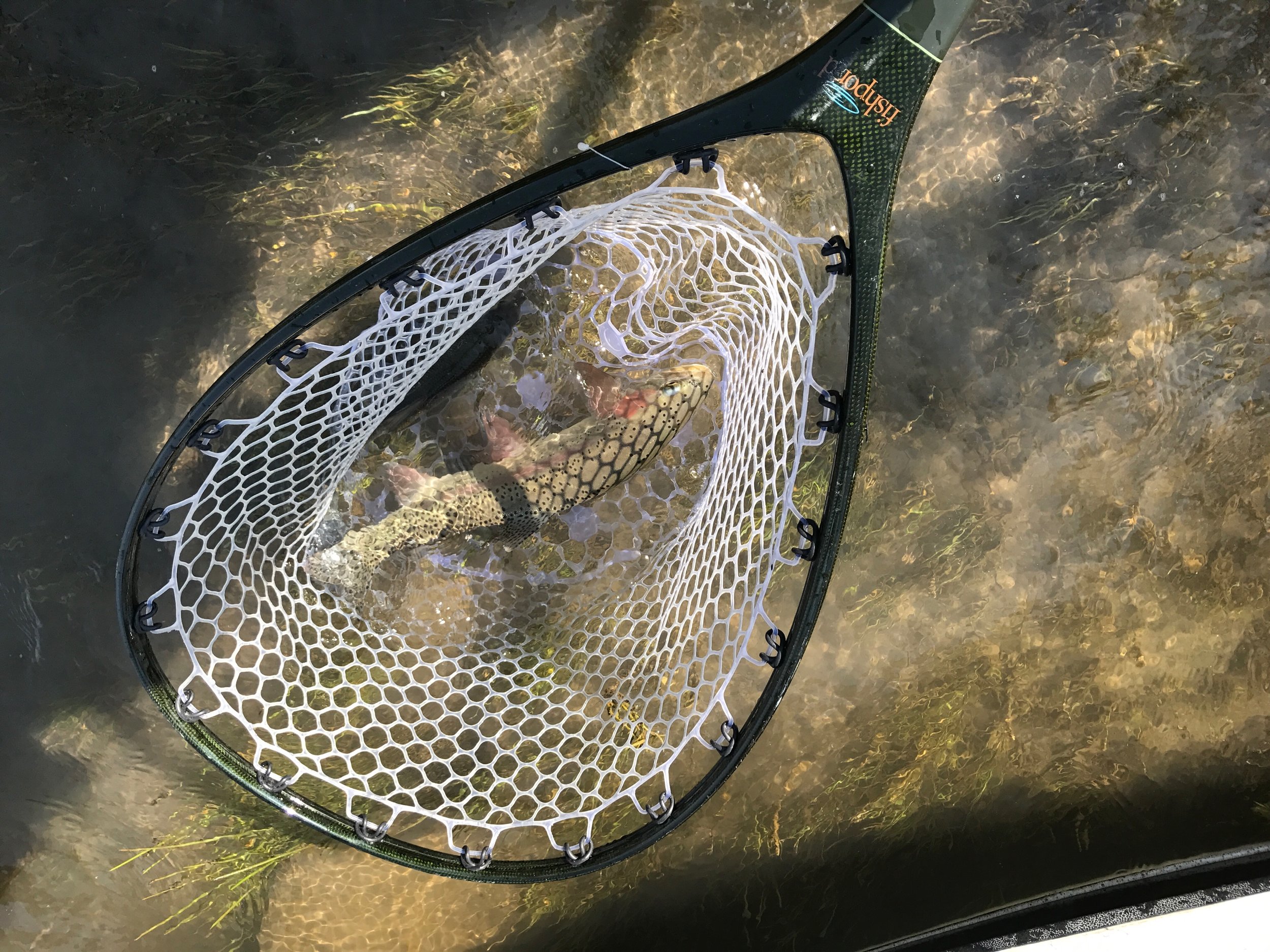
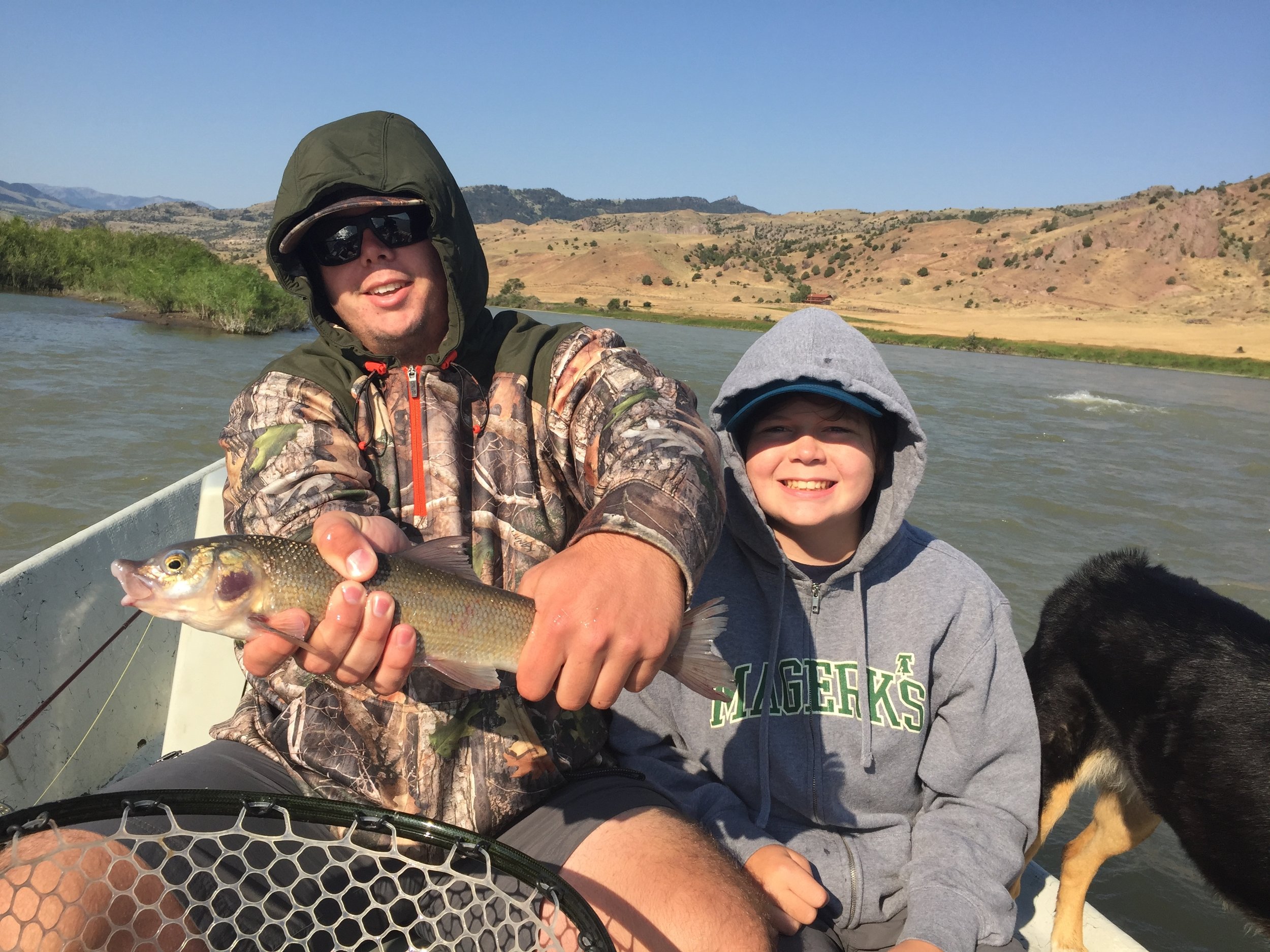
The fish you'll target on the Yellowstone are mostly cutthroat, rainbow, and brown trout, with occasional whitefish. Sizes range from feisty 12-inch fish all day long to the occasional 20-plus-inch trout that makes the trip.
Float Fishing the Yellowstone
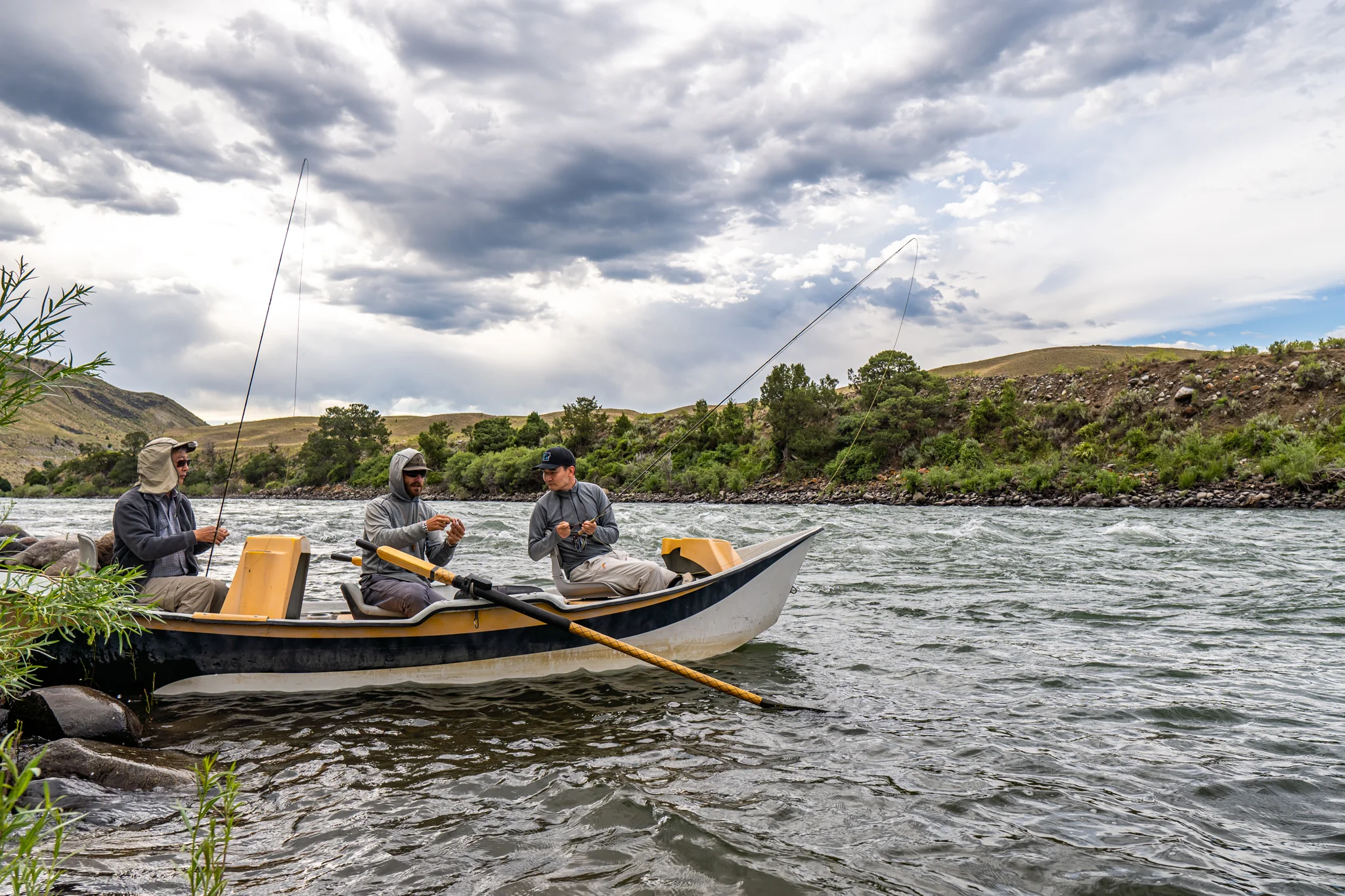
We float the entire Yellowstone River, but we specialize in trips on the "upper river," the stretch that runs from the park boundary in Gardiner down through Emigrant. This section is less fished than the lower river, and the trout rarely see flies.
Two stretches require rafts and guides with expert whitewater experience: Yankee Jim Canyon and the Schoolhouse rapids right in Gardiner. Our guides run both regularly and safely. The fish in these rougher sections are some of the least-pressured trout on the river, which makes the effort to get into them worth it.
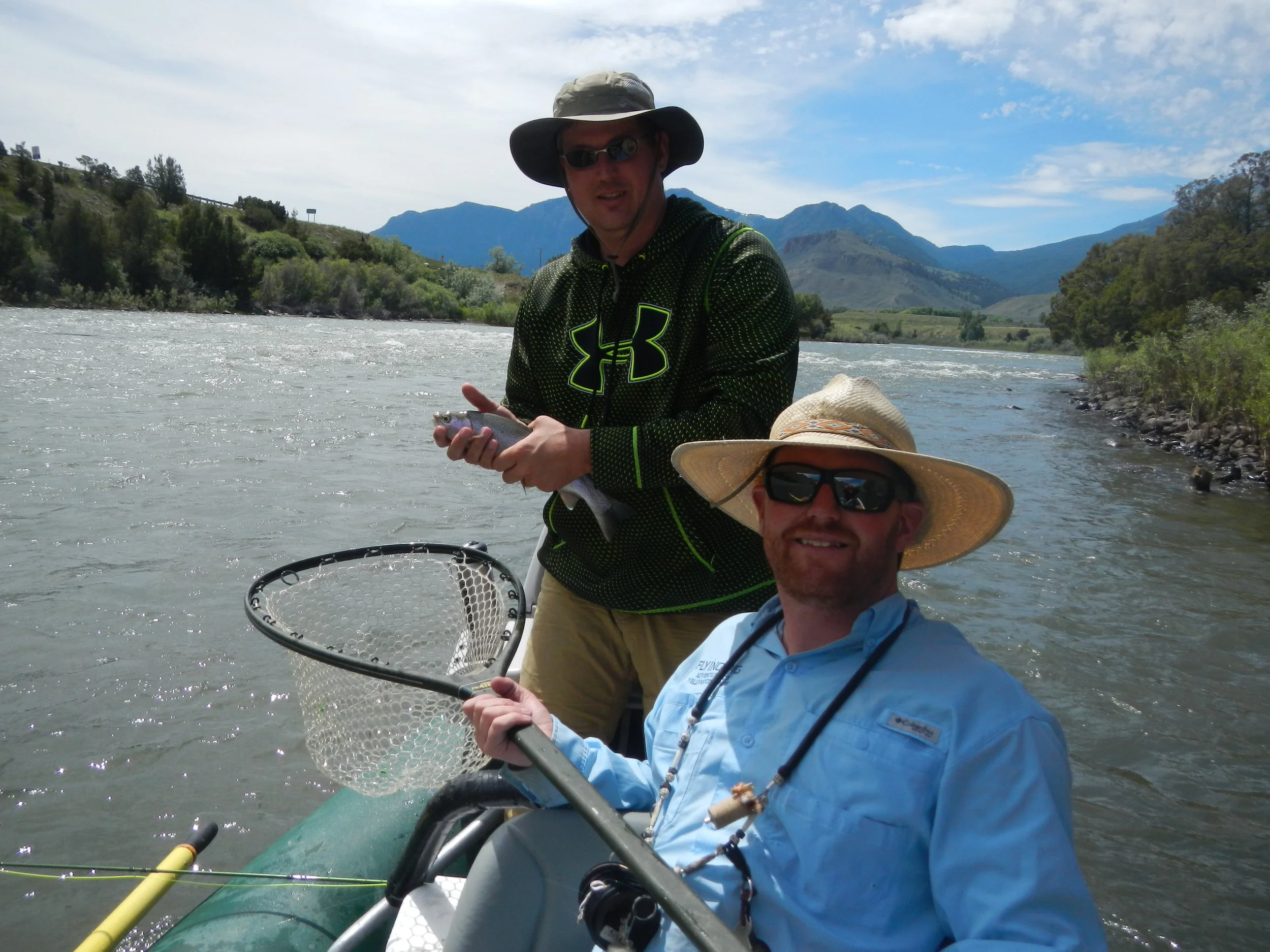
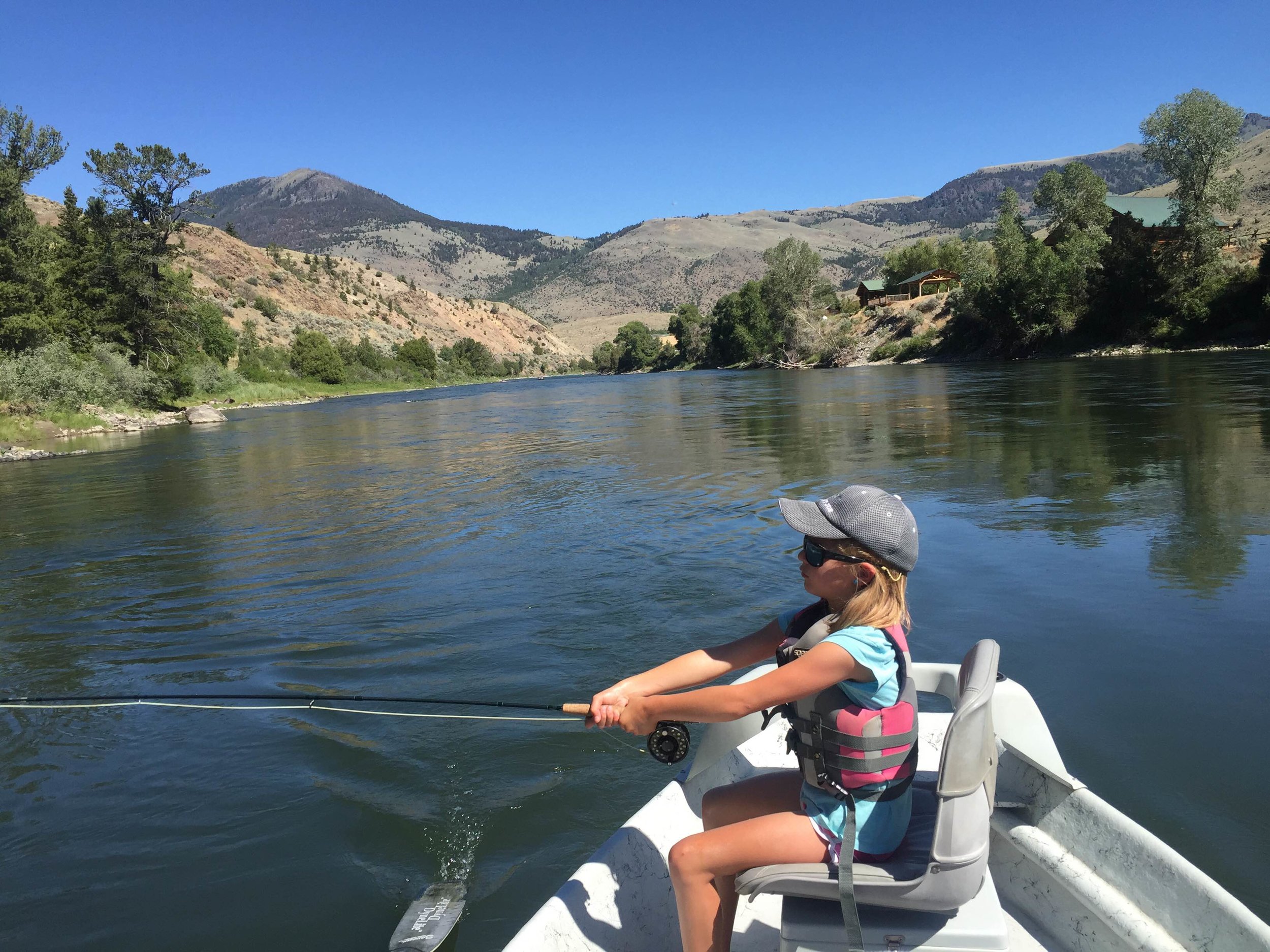
Float trips work for anglers of every skill level. Beginners can cast from a comfortable seat in the boat while a guide handles boat positioning and instruction. Experienced anglers can cover a lot of water and target specific runs and seams as the boat drifts.
Wade Fishing the Yellowstone
For anglers who prefer to fish on foot, wade fishing the Yellowstone offers a quieter, more methodical day on the water. There are productive walk-in stretches up and down the upper river where you can work runs, riffles, and seams at your own pace.
Wade trips are a good option if you want to focus on technique, target specific lies, or simply slow down and feel the river. They also work well for anglers who are still building confidence in their casting and want a less mobile setup than a moving boat.